Where Building-Material Suppliers and Contractors Find Clients in 2026: How Dutch Renovation Groups and B2B Supplier Communities on Telegram Are Replacing Cold Calls
Where Building-Material Suppliers and Contractors Find Clients in 2026: How Dutch Renovation Groups and B2B Supplier Communities on Telegram Are Replacing Cold Calls
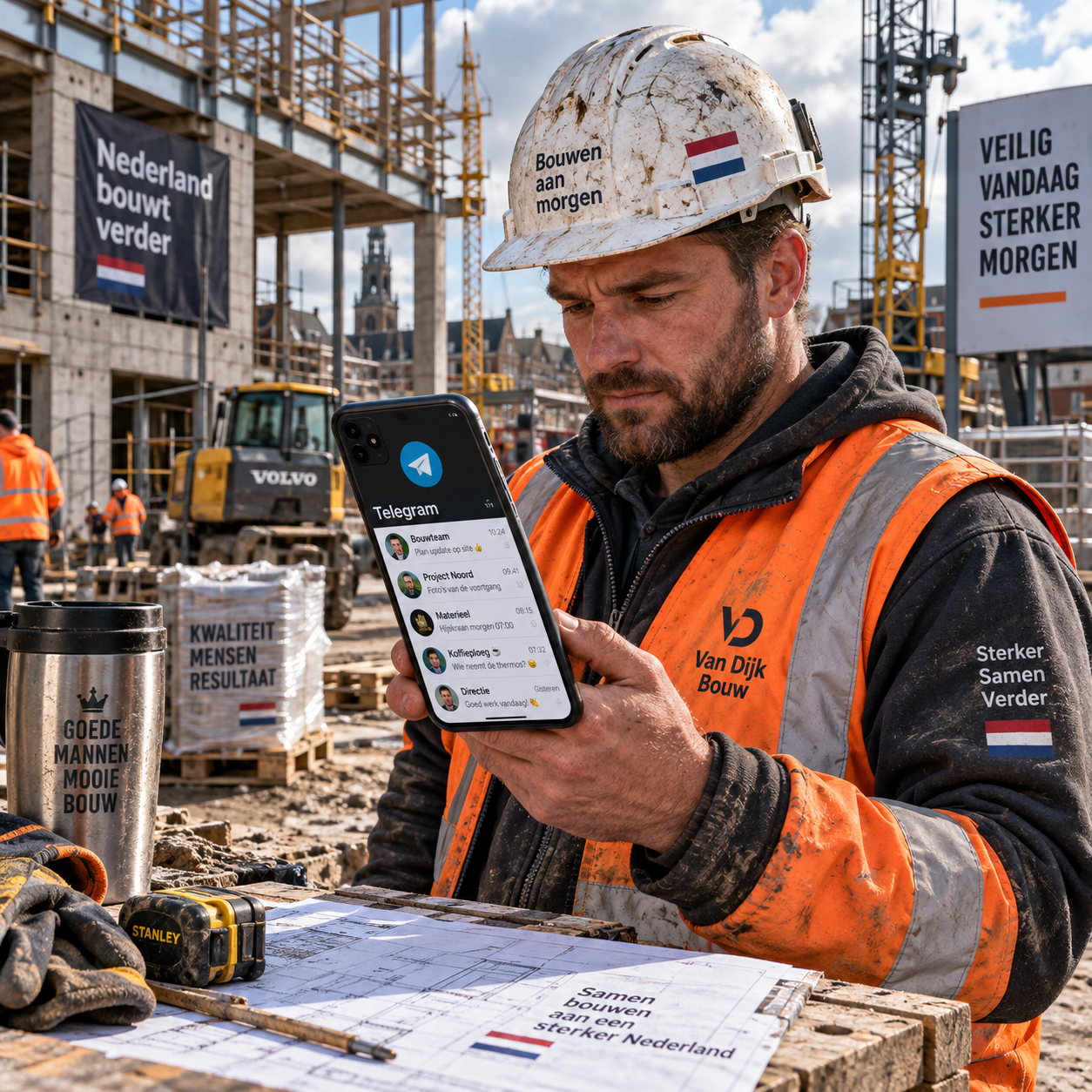
I've spent the better part of two years talking to building-material suppliers across the Netherlands, and there's one sentence I hear over and over: 'Cold calling just doesn't work anymore.' That's not nostalgia talking — it's a genuine shift in how contractors, renovators, and wholesalers in this country find each other. And the place where that shift is happening most visibly isn't LinkedIn, isn't a trade fair booth, it's Telegram.
Why Cold Calling Is Dead for Dutch Building Suppliers in 2026
Trade shows still happen. Email blasts still get sent. But the response rates tell a different story than they did five years ago. Contractors in Rotterdam or Eindhoven aren't waiting for a supplier's rep to call — they're asking their peers directly, in real time, inside group chats where everyone already knows the local pricing, the reliable delivery windows, and who ghosted on a last order. Cold outreach interrupts. Peer recommendation converts. That's the entire shift in one sentence, and it's why suppliers who still rely purely on outbound calls are watching their pipeline shrink while competitors who've moved into digital communities keep growing.
What makes this especially pronounced in the Netherlands is the density of small and mid-sized contracting businesses. There's no single dominant supplier chain the way there might be in bigger markets, so trust and word-of-mouth carry enormous weight. Digital communities simply replicate — and scale — that trust network.
The Rise of Telegram as the Netherlands' Construction Marketplace
WhatsApp groups cap out fast and get messy. LinkedIn feels too formal for 'does anyone have spare pallets of roof tiles this week?' Facebook groups are cluttered with algorithm noise. Telegram quietly solved all three problems: large group capacity, topic-focused channels, and a level of privacy that lets tradespeople speak candidly about pricing and availability without it becoming public content. It became the default meeting point almost by accident, and now it's structural.
Local Renovation Groups: The New Word-of-Mouth Engine
Almost every major Dutch city now has an active renovation-focused Telegram group — Amsterdam, Rotterdam, Utrecht, The Hague, even smaller regional hubs. Contractors post project photos, ask 'who's got insulation in stock this week,' or recommend a tile supplier who delivered on time during a tight renovation schedule. These groups function like a permanent, searchable word-of-mouth engine, and suppliers who show up consistently in the right ones build reputation faster than any cold call ever could.
B2B Supplier Communities and Trade-Specific Channels
Beyond the city-based groups, there's a whole layer of trade-specific channels: roofing material distributors, timber merchants, HVAC wholesalers, tile and sanitary importers. These channels are where bulk buyers and resellers trade pricing intel, flag overstock, and post urgent sourcing requests. If you supply a specific material category, there's very likely a Telegram community built entirely around that niche — and your ideal client is probably already reading it daily.
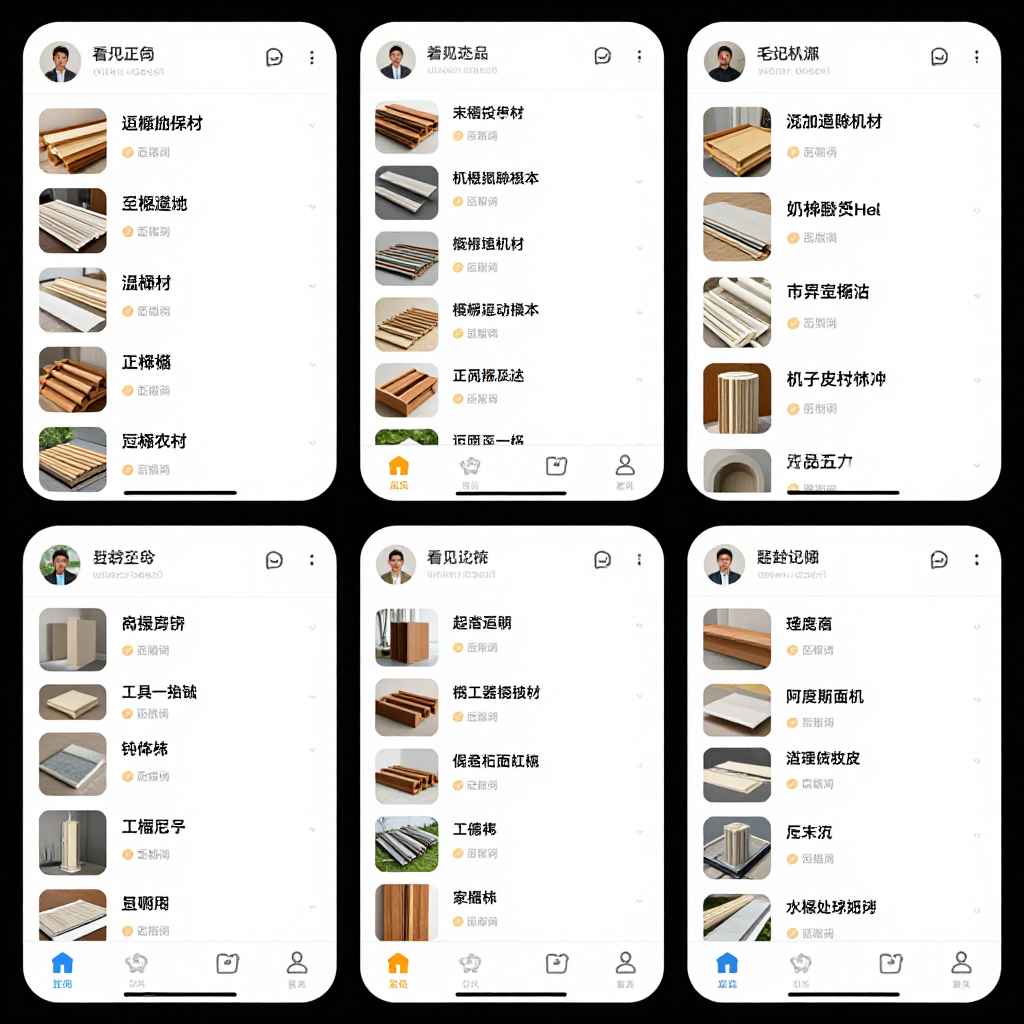
How Suppliers and Contractors Currently Find Clients on Telegram
Right now, the organic playbook looks like this: join the relevant groups, answer sourcing questions honestly, share real project photos, respond quickly when someone posts a request, and slowly build a reputation as the supplier who actually delivers. It works — I've seen small suppliers land recurring contractor relationships purely through consistent, helpful presence in two or three groups.
The catch is time. Doing this well across even five or six groups means daily monitoring, quick replies, and careful tone so you don't come across as spammy. Multiply that across the dozens of relevant Dutch construction communities that actually exist, and it stops being a side task — it becomes a full job.
The Bottleneck: Why Manual Outreach Doesn't Scale
Here's where most suppliers hit a wall. To advertise properly across even twenty active Telegram groups, you'd need to individually message every group admin, negotiate a placement fee, send creative assets in the right format, track whether the post actually performed, and handle payment separately for each one. Admins have different rules, different rates, different response times. Some don't reply for days. It's the exact same inefficiency that made cold calling exhausting in the first place — just relocated to a new channel.
This is the paradox: Telegram audiences are high-intent and ready to buy, but the manual effort required to reach them at scale cancels out most of the benefit for a busy supplier or contractor who'd rather be fulfilling orders than chasing admin replies.
How Automated Telegram Advertising Works in 2026
This is exactly the gap that automated ad platforms were built to close. Instead of contacting every admin one by one, an automated Telegram ads platform lets you set up a campaign once and distribute it across dozens of pre-vetted Dutch construction, renovation, and trade-specific channels simultaneously. Placement negotiation, creative formatting, scheduling, and reporting are all handled centrally, so you get the reach of manual community outreach without the weeks of back-and-forth messaging that would otherwise eat your entire week.
Targeting by Region, Trade, and Audience Type
What makes this genuinely useful rather than just 'more ads' is the targeting layer. You can filter by region — say, Rotterdam renovation groups specifically — or by trade, like channels focused on electricians, roofers, or tile importers across the Netherlands. That means your budget goes toward the communities where your actual buyers are active, not a scattershot blast across irrelevant channels. For a supplier who sells, say, insulation materials, that's the difference between showing up in front of thirty interested contractors versus three thousand people who scroll past.
Best Practices for Telegram Ads in the Dutch Construction Sector
A few things I've noticed consistently work well in this specific vertical:
- Use real project photos rather than stock imagery — contractors trust visible proof of work
- Lead with stock availability and delivery speed, since timing is often the actual pain point
- Offer a clear trade discount or bulk pricing tier to signal you understand B2B buyers
- Include a direct contact method (a dedicated Telegram handle or number) rather than routing through a generic website form
- Keep the copy short and trade-specific — no fluffy marketing language, just what, how much, and when
- Track response with a simple promo code or dedicated contact channel so you know which placements actually convert
These small adjustments matter more in trade-focused groups than they would in a general consumer ad, because the audience reading them is evaluating you the way they'd evaluate a supplier recommended by a colleague — practically, and quickly.
Conclusion: Adapting to Where Your Clients Already Are
The Dutch construction and renovation market has quietly relocated a huge part of its buying conversation into Telegram groups and channels. Suppliers who keep dialing cold leads are competing for attention in a channel that's losing relevance, while the actual decision-making is happening in group chats they're not even part of. The businesses pulling ahead right now are the ones treating Telegram as a real advertising channel — and using automation to make that channel manageable instead of overwhelming. Meeting your clients where they already are isn't optional anymore in 2026; it's the baseline for staying competitive.