How Dutch Street-Art Collectives and Mural Projects Use an Automated Telegram Ads Platform to Promote Exhibitions and Community Paintings in 2026
How Dutch Street-Art Collectives and Mural Projects Use an Automated Telegram Ads Platform to Promote Exhibitions and Community Paintings in 2026
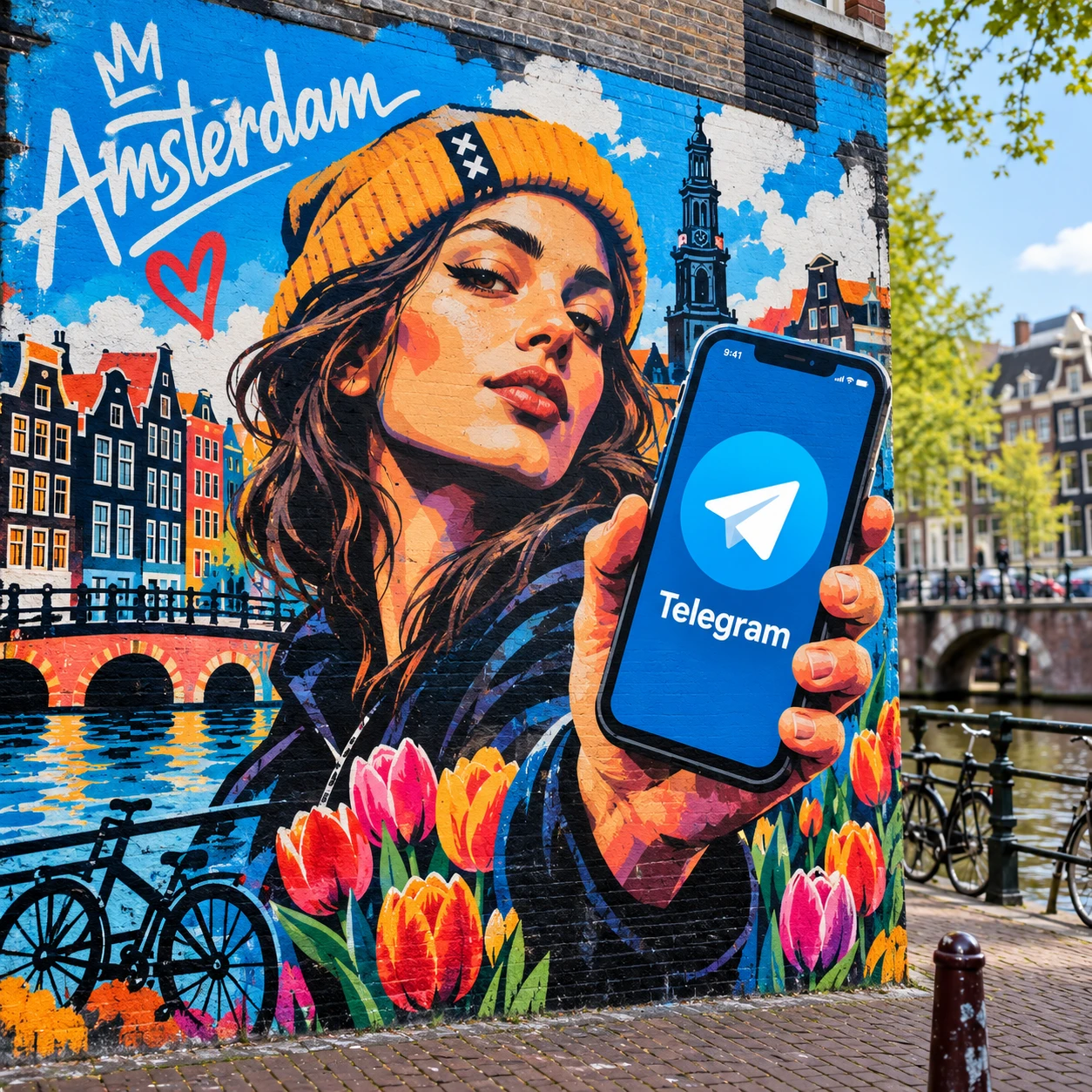
I've spent the better part of the last two years walking around Amsterdam's NDSM docklands, chatting with mural crews in Rotterdam's Katendrecht district, and sitting in on painting sessions in Utrecht's Wittevrouwen neighborhood. What strikes me every single time is how differently these collectives now talk about 'promotion' compared to even five years ago. Back then, it was flyers taped to lampposts and maybe an Instagram story. In 2026, it's something far more deliberate, and honestly, a lot smarter.
The Rise of Street Art in the Netherlands' Digital Age
Dutch street art has never been short on talent or ambition. From the legal graffiti walls in Rotterdam to the sanctioned mural festivals that pop up every spring in Amsterdam, the scene has always had an underground energy paired with surprising organizational skill. What's changed is the digital layer underneath it all. Collectives that used to rely purely on foot traffic and local gossip to fill a gallery opening are now thinking like event marketers, without losing the grassroots spirit that makes Dutch street art special in the first place.
2026 feels like a genuine inflection point. Funding for public art projects in cities like Utrecht has grown, municipal councils are more willing to greenlight community mural days, and audiences expect to hear about these events online before they ever see the finished wall. That expectation has pushed collectives to get serious about digital outreach, and increasingly, that means Telegram.
Why Telegram Became the Go-To Platform for Dutch Art Collectives
There's a reason Telegram keeps coming up in conversations with muralists and curators across the Netherlands. Dutch audiences, generally speaking, are privacy-conscious and a bit skeptical of algorithm-driven feeds that bury content. Telegram sidesteps that problem. Channels are chronological, subscribers actually see what's posted, and there's no pressure to chase likes or fight an opaque algorithm just to reach your own community.
For grassroots organizing specifically, Telegram also feels more honest. Graffiti crews have used encrypted group chats for years to coordinate paint jams discreetly. It was a natural step to extend that same trusted infrastructure into public-facing channels where exhibition dates, RSVP links, and behind-the-scenes photos get shared.
Local Telegram Groups and Niche Art Communities
Nearly every Dutch city with an active street-art scene now has its own cluster of hyperlocal channels. There are neighborhood groups in Rotterdam-West dedicated purely to mural spotting, graffiti crew channels in Amsterdam-Noord, and festival-specific groups that spin up a few months before an event and stay active year-round. These channels function almost like digital word-of-mouth amplifiers — someone posts a photo of a new wall, five people forward it to their own local groups, and suddenly an exhibition opening has reached three cities without a single paid ad.
From Manual Posting to Automated Promotion
For a long time, this all happened manually. An organizer would sit down the night before an event and individually message admins of ten or fifteen different channels, hoping someone would share the post in time. It worked, sort of, but it didn't scale, and it ate up hours that could've gone toward actually painting.
That's exactly the gap an automated Telegram ads platform fills. Instead of chasing down channel admins one by one, collectives can now schedule campaigns in advance, target specific cities or regions, and push announcements to dozens of relevant channels simultaneously. A mural unveiling in The Hague and a gallery show in Rotterdam can be promoted in parallel without anyone pulling an all-nighter copy-pasting messages.
Key Features Collectives Look For
Talking to organizers, a few features come up again and again when they describe what makes automated advertising tools actually useful for art promotion:
- Audience targeting by city or region — so a Utrecht paint jam doesn't get blasted to subscribers in Groningen who have no practical way to attend.
- Multilingual ad creation — Dutch for local community members, English for the growing international audience that follows Netherlands street art online.
- Budget-friendly scaling — since most collectives are working with modest grants or self-funded budgets, not corporate marketing spend.
- Real-time analytics — letting organizers see click-through rates and RSVP conversions before the event even happens, so they can adjust messaging on the fly.
Real-World Use Cases — Exhibitions, Paint Jams, and Community Walls
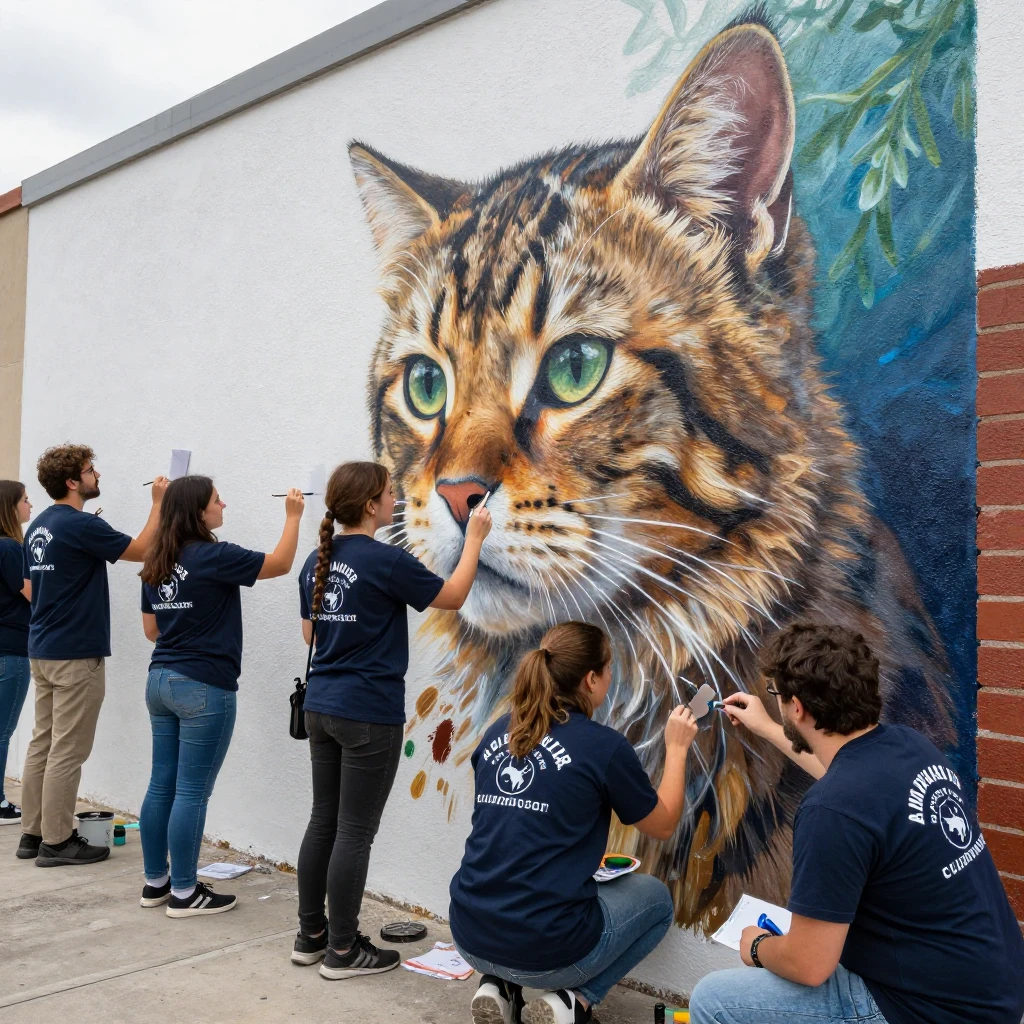
The practical applications are everywhere once you start looking. A gallery in Rotterdam promoting an opening night for a collection of local mural sketches. A neighborhood association in Utrecht trying to get forty volunteers to show up for a community painting day. A multi-day street-art festival in Amsterdam that needs to sell tickets while also recruiting artists from across Europe. All of these have started leaning on automated Telegram campaigns to reach the right people without burning out their core team on manual outreach.
Case Example — A Rotterdam Mural Festival Campaign
One composite example that mirrors what I've seen across several Rotterdam-based festivals: a collective organizing a weekend mural event ran a targeted campaign two weeks out, geo-focused on Rotterdam and nearby Schiedam, with bilingual ads and a short video clip of last year's walls. Engagement numbers climbed steadily each day the campaign ran, RSVP sign-ups roughly tripled compared to their previous manual outreach attempt, and volunteer applications came in from people who'd never heard of the collective before. The organizers told me the biggest surprise wasn't the reach itself — it was how little time it took to set up compared to the old method.
Best Practices for Running Telegram Ad Campaigns as an Art Collective
A few patterns separate the campaigns that actually drive turnout from the ones that fall flat:
- Time posts around weekends, since that's when most people are scrolling and planning their next day out.
- Use high-quality photos or short videos of actual murals — people respond far more to real walls than stock graphics or generic flyers.
- Geo-target specific Dutch cities rather than blasting nationally, since local relevance drives far better response rates.
- Collaborate with nearby cafes, bars, or galleries who can cross-promote to their own Telegram audiences.
- Encourage people to subscribe to the collective's own channel, not just click a single ad, so future events have a built-in audience.
Common Mistakes Street-Art Groups Make with Telegram Promotion
I've also seen plenty of campaigns stumble, usually for predictable reasons. Over-promotion is a big one — posting daily reminders until subscribers mute the channel entirely. Ignoring analytics is another; some collectives set up a campaign, let it run, and never bother checking what actually converted. Poor targeting shows up often too, with ads reaching regions far outside where an event is actually happening, wasting both budget and goodwill. And inconsistent branding — different fonts, tones, or visual styles across campaigns — makes a collective look less trustworthy even when the art itself is excellent.
The Future of Street-Art Marketing in the Netherlands
Looking ahead, I think the Dutch street-art scene is only going to lean further into this blend of grassroots authenticity and smart digital tooling. Automation and AI-assisted targeting aren't replacing the community spirit that makes mural projects special — they're just removing the tedious parts so organizers can spend more time on actual painting and less time copy-pasting messages into channel after channel. Through the rest of 2026 and beyond, I expect we'll see more collectives across Amsterdam, Rotterdam, and Utrecht treating their Telegram presence as seriously as their next wall, and honestly, it's about time.